Understandings Of The Itgcs
Understandings Of The ITGCs
ITGC are the foundational controls of IT systems and data that apply to the overall IT environment that includes database, networks, operating systems and applications. Implementing the ITGC is not only to comply with regulatory standards but also to maintain system stability, ensure data safety and prevent unauthorized access with the organization.
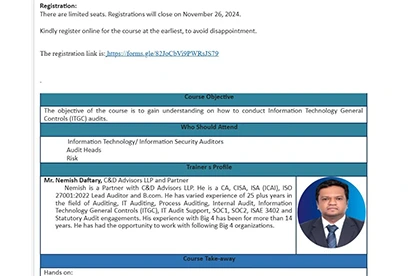
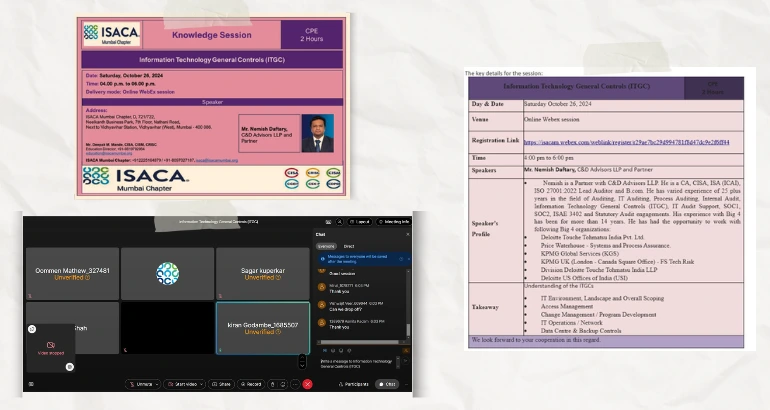
IT Environment, Landscape and overall Scoping
The IT environment is a crucial component of every organization that consists of the hardware, software, network and data systems that ensure the smooth running of operations. It is critical to understand the landscape of the IT environment that involves identifying critical systems and their interdependencies and if they meet the regulatory requirements. Scoping ensures that these IT controls are being applied diligently according to the organizations requirements.
ACCESS MANAGEMENT
One of the key factors to ensure data security is effectively managing access permissions. Some of the aspects of access management are:
- User access provisioning and de-provisioning: Granting and revoking access according to the job requirements.
- Role-based access controls: Assigning access based on job descriptions.
- Privileged access management: Managing the access given to admins or supervisors to maintain accountability.
- Periodic access reviews: Conducting inspections to verify if access granted aligns with the business purposes.
- Multi-factor authentication: Adding multiple levels of authentications to tighten security.
CHANGE MANAGEMENT/PROGRAM DEVELOPMENT
The IT systems need to be updated or modified over time to give the best possible services. Such modifications should be made in controlled environment and tested on multiple levels before granting approval for said changes. It is to be made sure that the changes are reversible if any issues arise.
IT OPERATIONS/NETWORK:
IT operations management ensures the smooth running of the server and networks. This includes addressing any issues and resolving them immediately, tracking the activities on each system and regularly updating the system to keep avoid any vulnerabilities.
DATA CENTER AND BACKUP CONTROLS:
Data backups are essential to be maintained so that in case of any mishaps, operations are not hindered and there is minimal loss to the business. Restricting access to the data center to higher authorities and security personnel and preparing for and alleviating the impact of such IT disruptions are some measures to control data breaches.
ITGS are essential regulatory measures that cover critical areas such as access control and management, security protocols, operations and disaster control and recovery. Implementing these controls means safeguarding the data and systems from breaches and ensuring the flow of operations smoothly end effectively.